Hub purpose: Organize tool-related guides by routine job, safety context, and source-aware buying decisions.
Who this helps: Readers comparing brushes, hair dryers, scalp massagers, and affordable tool categories.
The Beauty Tools hub helps readers decide when a tool belongs in a routine and when it is just extra clutter. Tool content needs practical context: where the tool fits, whether it replaces or supports a product step, what directions should be checked, and which claims should not be repeated without evidence.
How to use this hub
Pick the decision that matches what you are trying to do today. If you are comparing products, read the page that explains the category first. If you are building a routine, start with the routine guide and use product pages as supporting references. This hub is meant to reduce overbuying, make internal navigation clearer, and keep source-sensitive claims in the pages where they can be checked.
- Best for readers deciding whether a tool solves a real routine problem.
- Avoid assuming a tool creates automatic beauty results or replaces product directions.
- Compare tools by routine fit, maintenance, use frequency, heat or friction context, and evidence quality.
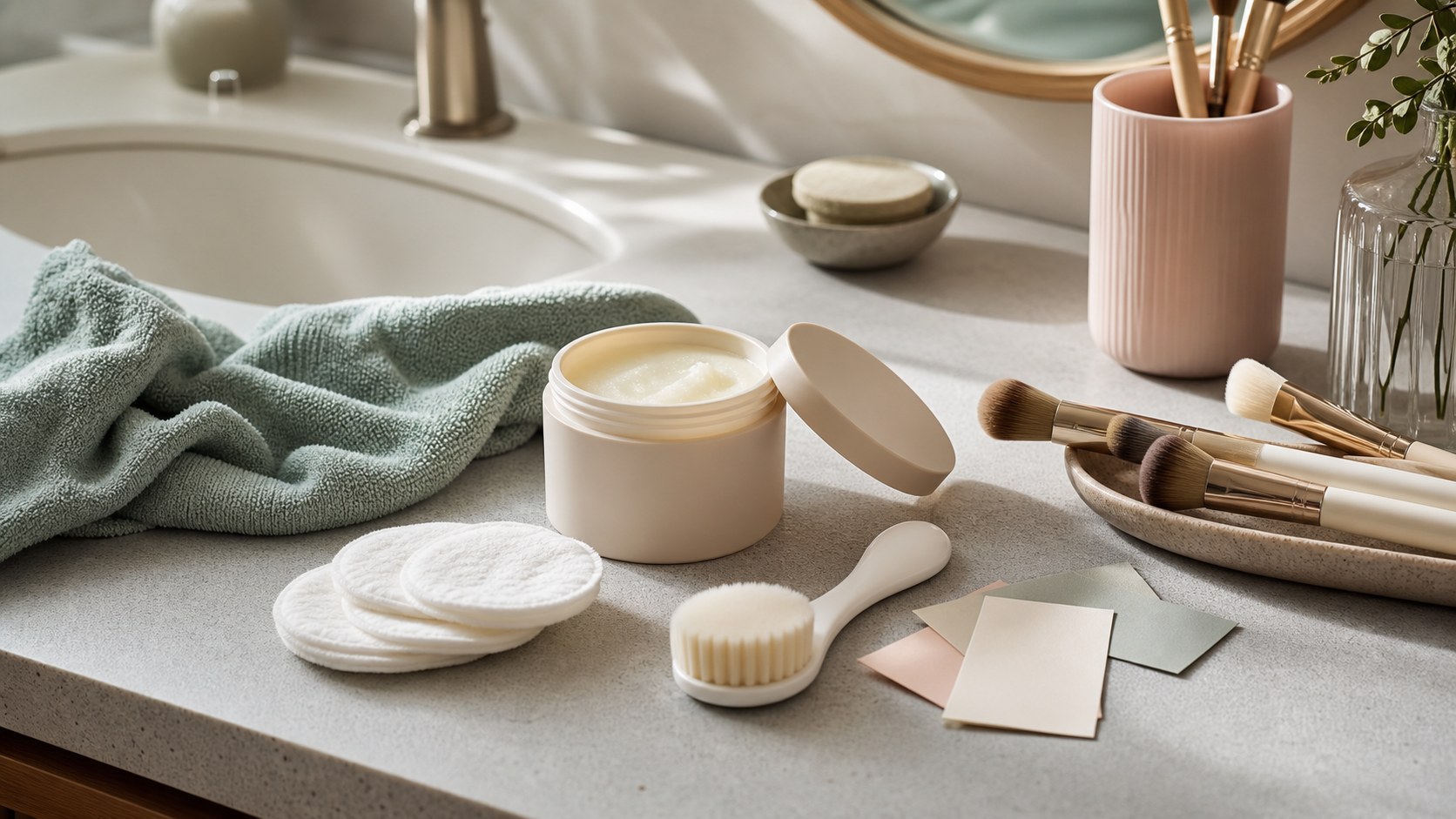
Visual decision guide
How to compare these picks visually
This original EiwayShop image is visual context only. It does not add a product claim, affiliate call to action, or brand-owned packaging.
Use this hub to choose the right guide path before comparing products.
Follow internal links by routine, category, concern, or decision stage.
Recheck source notes, disclosures, seller details, and current availability before buying.
Source/recheck note: Use this page as a buying-decision framework, then recheck current label details, seller information, size, and availability before purchase.
Start with face and cleansing tools
Use this group when the decision is about start with face and cleansing tools. Start with the broadest guide, then move into the narrower page only if its topic matches your routine, budget, or product-format question.
Compare hair and scalp tools
Use this group when the decision is about compare hair and scalp tools. Start with the broadest guide, then move into the narrower page only if its topic matches your routine, budget, or product-format question.
Pair tools with supporting products
Use this group when the decision is about pair tools with supporting products. Start with the broadest guide, then move into the narrower page only if its topic matches your routine, budget, or product-format question.
Read before purchasing a tool
Use this group when the decision is about read before purchasing a tool. Start with the broadest guide, then move into the narrower page only if its topic matches your routine, budget, or product-format question.
Trust and source note
EiwayShop hub pages are editorial navigation pages. Some linked guides may contain affiliate links, and those pages should show their own disclosure. This hub does not add affiliate calls to action, does not use brand-owned product images, and does not invent prices, ratings, reviews, awards, hands-on testing, or medical outcomes. Product details should be checked against current official or retailer sources before purchase decisions.
Frequently asked questions
Should I buy a beauty tool before products?
Only if the tool solves a specific routine job. Many readers should start with the product category or routine guide first.
Are tool claims verified by EiwayShop?
Do not assume that. Tool pages should avoid unsupported performance claims unless the page documents current evidence.
Why are hair dryers and scalp massagers in the same hub?
Both are tools that affect routine technique, so this hub groups them by how they are used rather than by product aisle.
What should I check before buying a tool?
Check official directions, maintenance requirements, return policy, and whether the tool fits your actual routine frequency.